






Ads
Ads

Ads

Ads

Ads

Ads

Ads

Ads

Ads


  • cambridge MASSACHUSETTS
    Harvard GSD
    Critic: Jennifer BONNER

    suckerPUNCH: Describe your project.
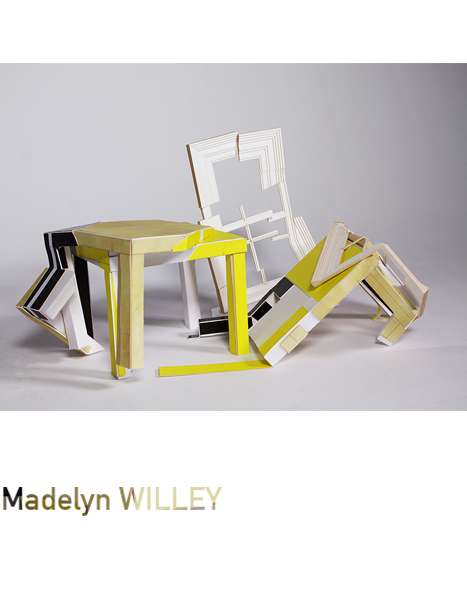
    Madelyn WILLEY: OOPS… is the result of a series of observations made during walks around different suburban landscapes, that reveal the moments when the idealized image of suburbia confronts its practical everyday use in a slightly awkward way.
    [MORE]


  • cambridge MASSACHUSETTS
    Harvard GSD
    Critic: Jennifer BONNER

    suckerPUNCH: Describe your project.
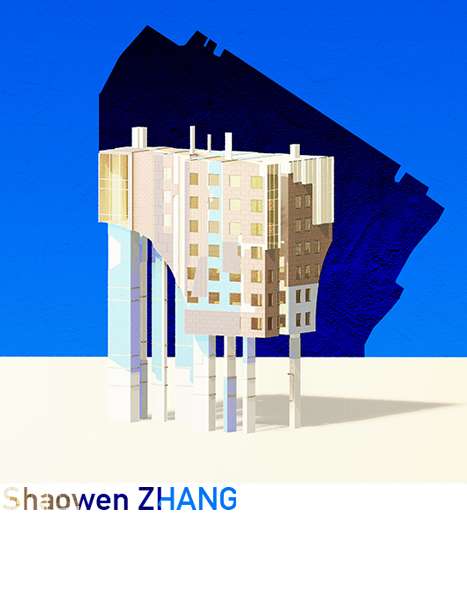
    Shaowen ZHANG: The thesis begins by taking an object of reference from visual-material cultures - a Neolithic Austrian cave sketch which renders an excess of lines – to develop a method of form-making through pattern stroke simulations.
    [MORE]


  • troy NEW YORK
    Rensselaer Polytechnic Institute
    Critic: Adam DAYEM

    suckerPUNCH: Describe your project.
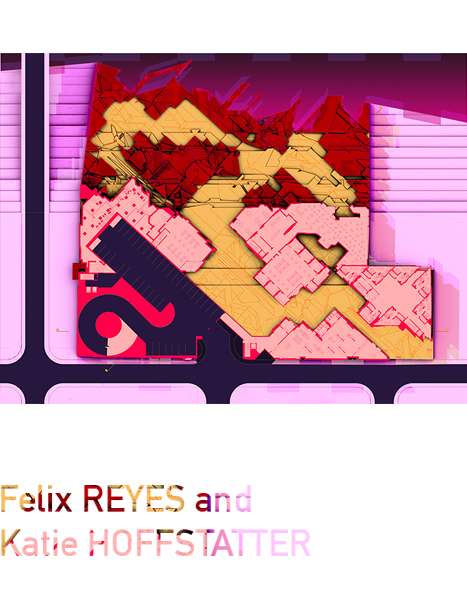
    Felix REYES and Katie HOFFSTATTER: plan(A)sylum is a play on two sets of words: the first set being Plan A, which infers an imperative and a priority, and the second word being Asylum, which is defined as a place of refuge and protection giving shelter to criminals and debtors (Merriam-Webster Dictionary).
    [MORE]


  • los angeles CALIFORNIA
    Sci-ARC
    Critic: Mark FOSTER GAGE, Melissa SHIN & Ryan WILSON

    suckerPUNCH: Describe your project.
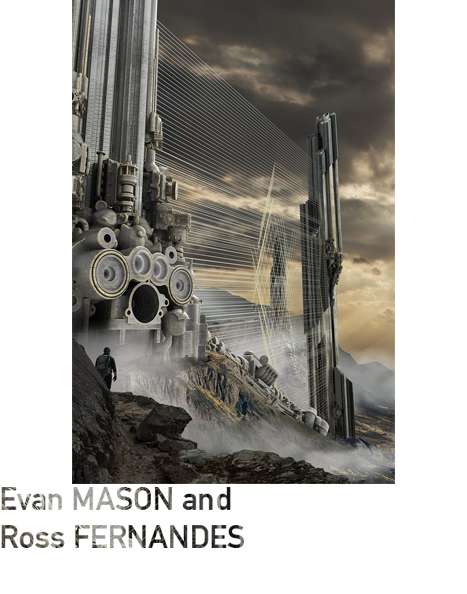
    Evan MASON and Ross FERNANDES: The Piezo-Involex Valley is a breakthrough wind driven piezo-electric pressure differential hybrid fluid dynamic alternating current energy generation network throughout the American Mountain States…
    [MORE]


  • philadelphia PENNSYLVANIA

    suckerPUNCH: Describe your project.
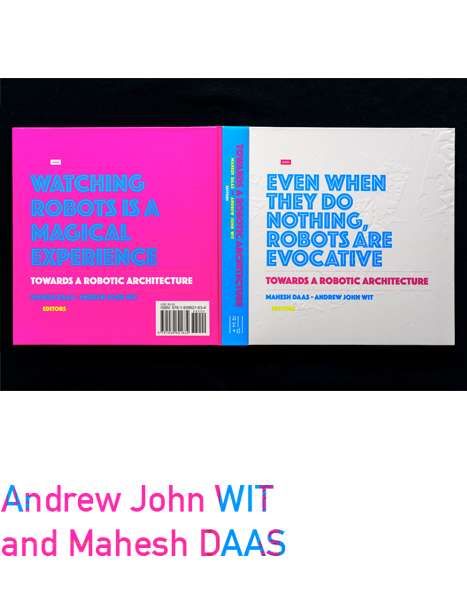
    Andrew John WIT and Mahesh DAAS: The field of robotics is coming of age. Robotics and artificial intelligence represent the next cutting edge technology that will transform the fields of architecture and design. The past decade’s surge towards more computationally defined building systems and highly adaptable open-source design software has left the field ripe for the integration of robotics whether through large-scale building production or through more intelligent/adaptive building systems. Through this surge, architecture has not only been greatly influenced by these emerging technologies, but has also begun influencing other disciplines in unexpected ways.
    [MORE]